Uncovering Ancient Herbal Secrets: A Modern Approach to Wellness Journeys

Updated: Jan 30, 2025
In our fast-paced world, where immediate solutions and quick fixes often take center stage, the powerful wisdom of herbal remedies often finds itself relegated to the shadows, overlooked in favor of more conventional, rapid approaches to health. However, as more individuals embark on a quest for personalized pathways to wellness, a notable resurgence of interest in these time-honored remedies is emerging. This renewed fascination speaks to a collective yearning for holistic approaches that resonate with the natural world, emphasizing the importance of balance and harmony in our lives. Herbal traditions, meticulously handed down through countless generations, offer profound insights into achieving well-being using the bounties of nature, which have sustained our ancestors for centuries.
These ancient practices are not merely relics of the past; they embody a wealth of knowledge that has been refined and adapted over time, showcasing the enduring relationship between humans and the plant kingdom. As we delve deeper into the realm of herbal remedies, we uncover a treasure trove of wisdom that reveals how specific herbs can support various aspects of our health, from enhancing immunity to alleviating stress and promoting mental clarity. This post aims to explore some of the most revered ancient herbal secrets that can significantly enrich modern wellness journeys, showcasing their lasting benefits and practical applications in our daily lives. For instance, herbs like chamomile and lavender have long been celebrated for their calming properties, often utilized in teas and essential oils to promote relaxation and improve sleep quality. Similarly, adaptogenic herbs such as ashwagandha and rhodiola have gained recognition for their ability to help the body adapt to stress, enhancing resilience and overall vitality.
The art of herbalism encourages us to consider not just the physical benefits of these plants but also their emotional and spiritual contributions to our well-being. Moreover, the integration of herbal remedies into our wellness routines can be both simple and profound. From crafting herbal infusions and tinctures to incorporating dried herbs into our cooking, the possibilities are vast and accessible. This exploration of ancient wisdom invites us to reconnect with nature and rediscover the simple yet powerful tools that can aid in our quest for health. As we navigate the complexities of modern life, embracing these herbal traditions can provide a grounding force, reminding us of the time-tested practices that have nurtured humanity throughout history. In conclusion, the exploration of herbal remedies not only enriches our understanding of wellness but also empowers us to take charge of our health in a way that honors the legacy of our ancestors while addressing the needs of our contemporary lives.
The Rich History of Herbal Medicine
Herbal medicine has been an essential aspect of human health for thousands of years, influencing various cultures globally and serving as a cornerstone of traditional healing practices across different societies. The use of medicinal plants can be traced back to ancient civilizations, where the knowledge of herbal remedies was passed down through generations. From Traditional Chinese Medicine (TCM), which emphasizes the balance of energy within the body and utilizes a wide variety of herbs to restore harmony, to Ayurveda in India, which focuses on achieving balance among the body, mind, and spirit through natural treatments, plants have long been recognized for their incredible healing properties.
Each of these traditions employs a unique set of herbs tailored to specific ailments, reflecting their cultural contexts and philosophical beliefs about health. The ancient Egyptians, for instance, were pioneers in the field of herbal medicine, as evidenced by their meticulous documentation of various herbs and their uses for treating ailments. The Ebers Papyrus, dating back to around 1550 BC, is one of the oldest medical texts known to humanity and contains over 700 remedies and magical formulas, many of which include herbal ingredients. This ancient manuscript not only highlights the Egyptians' advanced understanding of pharmacology but also illustrates their reliance on nature as a source of healing.
Moreover, the practice of herbal medicine extends beyond these well-known traditions. Indigenous cultures around the world have their own rich histories of utilizing local flora for medicinal purposes. For example, Native American tribes have long used plants such as echinacea and sage for various health issues, while African traditional medicine incorporates a diverse array of herbs tailored to the unique health challenges faced by their communities. In contemporary times, there is a growing interest in herbal medicine as people seek natural and holistic alternatives to conventional pharmaceuticals. This resurgence has led to increased research into the efficacy and safety of various herbs, validating many of the traditional uses that have been documented throughout history.
Modern science has begun to uncover the active compounds within these plants, such as alkaloids, flavonoids, and terpenes, which contribute to their therapeutic effects. The integration of herbal medicine into modern healthcare practices highlights the enduring significance of plants in promoting health and well-being. As we continue to explore the vast potential of herbal remedies, it is essential to respect and acknowledge the rich historical and cultural contexts from which these practices arise, ensuring that the wisdom of ancient traditions informs contemporary approaches to health and healing.
Many contemporary health practices draw from this rich history. Modern science supports the potency of herbs, with studies showing, for example, that approximately 75% of conventional medicines are derived from plants. This underscores the relevance of traditional herbal remedies today.
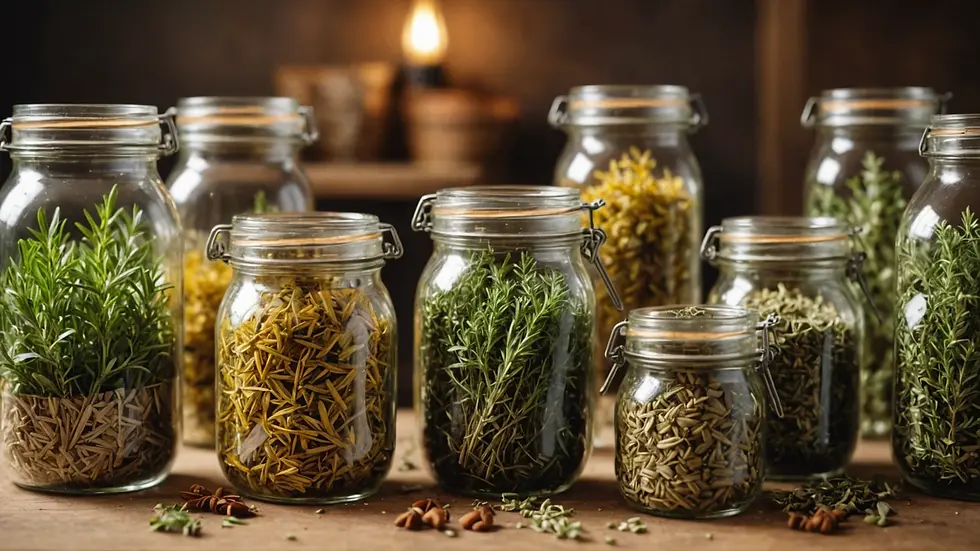
Understanding Herbal Benefits
Herbs not only enhance flavors but also offer considerable health benefits. Below are some popular herbs and their specific advantages:
1. Ashwagandha
Ashwagandha, an acclaimed adaptogen from Ayurveda, helps combat stress and anxiety. Studies show that taking ashwagandha can reduce stress levels by 30%. Regular use may enhance energy and improve cognitive function, making it a powerful ally in managing daily pressures.
2. Turmeric
Turmeric has gained fame due to its anti-inflammatory and antioxidant effects. Research indicates that curcumin can lower inflammation markers in the body by 60%, aiding those with chronic conditions. Adding turmeric to your meals or taking it as a supplement can be a simple yet effective way to bolster your health.
3. Peppermint
Peppermint is more than just a refreshing flavor. It alleviates digestive discomfort and is effective against headaches. Drinking peppermint tea can ease symptoms in just 20–30 minutes, making it a quick remedy following a heavy meal or a stressful day.

Integrating Herbs into Your Daily Routine
Incorporating herbs into your wellness journey can be straightforward and enjoyable. Here are two effective ways to include herbal wisdom in your daily routine:
Herbal Teas
Herbal teas are a convenient way to access the benefits of various herbs. You can drink chamomile for relaxation, ginger for digestive health, or echinacea for immune support. Enjoying a hot cup of herbal tea can become a moment of calm in your busy day, enhancing both your mental state and physical health.
Culinary Use
Incorporating herbs into your cooking can add flavor and nutrition. Toss fresh basil into salads or sprinkle dried rosemary on roasted vegetables. These simple changes not only elevate your meals but also fortify your body with beneficial compounds essential for wellness.

Navigating Safety and Efficacy
While herbs offer a multitude of advantages ranging from culinary uses to medicinal benefits, it is crucial to approach herbal remedies with a great deal of caution and respect. The world of plants is incredibly diverse, and while many herbs can promote health and well-being, others possess toxic properties that can be harmful, or even deadly, particularly if you are not well-acquainted with the specific plant you encounter. The importance of knowledge in this area cannot be overstated. One of my esteemed teachers, Christopher Smaka, once commented, "The most dangerous plant is the one you don't know." This statement underscores the necessity of education and awareness when it comes to foraging or using herbs in any capacity. To ensure safety and minimize the risks associated with herbal remedies, it is essential to adopt a few important practices. Firstly, thorough research and identification are paramount. Before using any herb, one should invest time in learning about its characteristics, potential benefits, and any possible side effects. This includes understanding the plant’s habitat, appearance, and the specific conditions under which it grows. Using reliable field guides or consulting with knowledgeable herbalists can greatly enhance your understanding and help you distinguish between safe and harmful plants. Secondly, it is advisable to start with small doses when trying a new herb for the first time. This cautious approach allows you to monitor your body’s reaction and identify any adverse effects without overwhelming your system. Always keep in mind that individual responses to herbs can vary significantly, and what may be beneficial for one person could potentially be harmful to another. By adhering to these practices, you can navigate the world of herbal remedies with greater confidence and safety, ensuring that you reap the benefits while avoiding the dangers that certain plants may pose.
Research
Before introducing any new herb or supplement into your routine, conduct careful research. Learn about each herb's benefits, possible side effects, and any interactions with medications you may be taking. For example, combining turmeric with blood thinners can pose risks, so being informed is crucial.
Consult Professionals
Consulting with healthcare professionals who understand herbal therapies can provide tailored advice for your individual needs. This guidance helps prevent undesirable reactions, ensuring that the herbs you choose to use complement your wellness goals.
Embracing Ancient Wisdom for Future Wellness
Embracing herbal wisdom in our modern lives offers a unique opportunity to access healing methods that have shaped human health for centuries. By tapping into ancient herbal secrets, we can boost our well-being, manage stress more effectively, and improve our overall health.
As we navigate the complexities of life in today's world, let us remain open to the simple yet effective remedies that nature offers. Whether it is through herbal teas, culinary delights, or high-quality supplements, we can enrich our wellness journeys and cultivate a healthier lifestyle.
Integrating these ancient practices into our daily lives fosters a harmonious balance between tradition and modernity, ultimately leading to a more vibrant, healthier life.


Comments